Building a Modern Financial Stack: Essential Tools for Growing Startups

William Thompson
9 March 2026
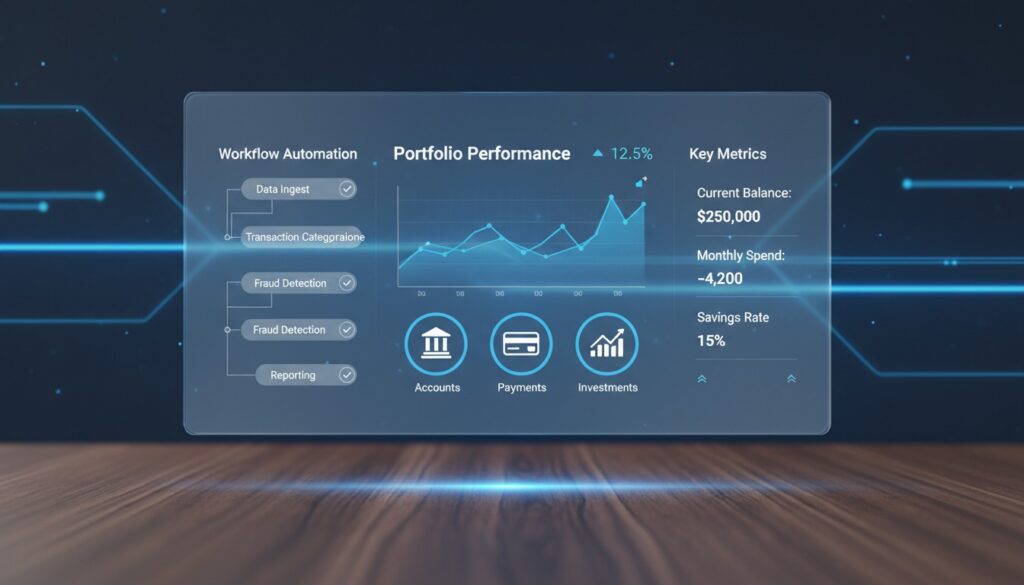
Building a Modern Financial Stack: Essential Tools for Growing Startups
Introduction
In today’s fast-paced startup ecosystem, financial infrastructure isn’t just about keeping the books balanced—it’s about creating a competitive advantage. Modern startups that scale successfully share one common trait: they’ve built robust, integrated financial systems from day one.
The days of juggling multiple spreadsheets, manual expense reports, and disconnected banking solutions are over. Today’s entrepreneurs need a unified financial stack that grows with their business, provides real-time insights, and streamlines operations. This comprehensive guide will walk you through the essential components of a modern financial infrastructure and show you how to build a system that scales.
“The best time to build your financial infrastructure is before you need it. The second-best time is now.” – Leading startup advisor
Core Banking Solutions: Your Financial Foundation
Your banking infrastructure serves as the foundation of your entire financial stack. Traditional business banking often falls short for growing startups, which is why digital-first banking solutions have become essential.
Modern Business Banking Features
Today’s startup-focused banks offer features specifically designed for growing companies:
- Multi-currency support for global operations
- API integrations with popular business tools
- Real-time transaction notifications and alerts
- Virtual cards for team spending and vendor payments
- Automated reconciliation with accounting software
- Receipt scanning with OCR technology
- Automatic categorization using machine learning
- Policy enforcement with real-time spending limits
- Integration with corporate credit cards and banking
- Clear and specific: Define what constitutes a business expense
- Automated where possible: Use technology to enforce limits
- Flexible for growth: Account for changing needs as you scale
- Compliant: Meet tax and regulatory requirements
- Current spending against budgets
- Pending expense approvals
- Policy violations and exceptions
- Spending trends by category and employee
- Predictive modeling for cash flow and growth scenarios
- Cohort analysis for subscription businesses
- Unit economics tracking and optimization
- Investor-ready reporting with standardized formats
- Multiple payment methods: Credit cards, ACH, wire transfers, digital wallets
- Subscription billing: Automated recurring payments with dunning management
- International payments: Multi-currency support with competitive exchange rates
- API-first architecture: Easy integration with your existing systems
- Real-time data synchronization between platforms
- Automated workflows that trigger across systems
- Scalability as you add new tools and processes
- Custom integrations for unique business needs
- Banking → Accounting: Automatic transaction import and categorization
- Expenses → Banking: Real-time expense tracking and reconciliation
- Invoicing → Banking: Automatic payment matching and AR updates
- All Systems → Reporting: Unified dashboard with real-time data
- Use middleware platforms like Zapier or custom APIs for complex workflows
- Implement data governance policies to ensure consistency
- Regular audits of integrations to identify and fix issues
- Documentation of all connections and dependencies
- Bank-level encryption for data in transit and at rest
- Multi-factor authentication for all user accounts
- Role-based access control to limit data exposure
- Audit trails for all financial transactions and changes
- Regular security assessments and compliance certifications
- SOX requirements for public companies
- GDPR for European customer data
- PCI DSS for payment card processing
- Industry-specific regulations like HIPAA or SOC 2
- Establish modern banking with API capabilities
- Implement basic accounting software with automation features
- Set up expense management for team spending control
- Create initial integrations between core systems
- Add advanced reporting and analytics capabilities
- Implement automated invoicing and payment processing
- Enhance integrations with workflow automation
- Establish financial policies and approval processes
- Add international capabilities for global expansion
- Implement advanced analytics and forecasting
- Create investor reporting templates and processes
- Optimize workflows based on usage data
- Time to close books: Reduce month-end closing time
- Expense processing time: Automate expense approvals and reimbursements
- Cash flow accuracy: Improve forecasting precision
- Compliance score: Maintain audit readiness
Choosing the Right Banking Partner
When evaluating banking solutions, consider these critical factors:
Integration capabilities: Your bank should seamlessly connect with your existing tools. Look for native integrations with popular accounting software like QuickBooks, Xero, or NetSuite.
Scalability: As your transaction volume grows, your banking solution should handle increased complexity without additional friction. This includes support for multiple accounts, automated workflows, and advanced reporting.
Global reach: Even if you’re not international today, choose a solution that supports global expansion. Multi-currency accounts and international wire transfers become crucial as you scale.
Expense Management: Controlling Your Cash Flow
Expense management is where many startups lose control of their finances. Without proper systems in place, expense creep can quickly drain resources and create compliance nightmares.
Automated Expense Tracking
Modern expense management platforms offer several game-changing features:
Building Expense Policies That Scale
Effective expense policies should be:
Pro tip: Implement expense management early, even with a small team. The habits you build now will serve you well as you grow.
Real-Time Visibility and Control
The best expense management solutions provide real-time dashboards that show:
Financial Reporting and Analytics: Data-Driven Decisions
Accurate, timely financial reporting transforms how startups make decisions. Modern financial reporting goes beyond basic profit and loss statements to provide actionable insights that drive growth.
Essential Financial Reports for Startups
Your financial reporting system should generate these critical reports automatically:
Cash Flow Projections: Understanding your cash runway is crucial for startup survival. Modern tools can project cash flow based on historical data, pending invoices, and planned expenses.
Burn Rate Analysis: Track how quickly you’re spending money and identify trends that could impact your runway.
Revenue Recognition: Properly track and report revenue according to accounting standards, especially important for SaaS and subscription businesses.
Budget vs. Actual: Compare planned spending with actual expenses across all categories and departments.
Advanced Analytics for Growth
Beyond basic reporting, modern financial stacks offer advanced analytics:
Integration and Automation
The most effective financial reporting systems automatically pull data from multiple sources:
“`
Banking Data → Expense Management → Accounting Software → Reporting Dashboard
“`
This integration eliminates manual data entry, reduces errors, and ensures real-time accuracy across all financial reports.
Payment Processing and Accounts Receivable
Efficient payment processing directly impacts cash flow and customer experience. Modern startups need solutions that handle multiple payment methods, currencies, and billing models.
Comprehensive Payment Solutions
Look for payment processors that offer:
Optimizing Cash Collection
Reducing the time between invoice and payment is crucial for startup cash flow:
Automated invoicing: Generate and send invoices automatically based on usage, milestones, or time periods.
Payment reminders: Automated follow-up sequences for overdue invoices.
Multiple payment options: Make it easy for customers to pay by offering various methods.
Incentives for early payment: Consider discounts for payments made within specific timeframes.
Integration Strategy: Creating a Unified System
The power of a modern financial stack comes from integration. When your tools work together seamlessly, you eliminate manual work, reduce errors, and gain comprehensive visibility.
API-First Architecture
Choose tools that prioritize API connectivity. This ensures:
Common Integration Patterns
Successful financial stacks typically follow these integration patterns:
Managing Integration Complexity
As your stack grows, consider these strategies:
Security and Compliance Considerations
Financial data security isn’t optional—it’s fundamental to your business survival. Modern financial stacks must prioritize security while maintaining usability.
Essential Security Features
Every component of your financial stack should include:
Regulatory Compliance
Depending on your industry and location, you may need to comply with:
Implementation Roadmap: Building Your Stack
Building a modern financial stack doesn’t happen overnight. Here’s a practical roadmap for implementation:
Phase 1: Foundation (Months 1-2)
Phase 2: Optimization (Months 3-4)
Phase 3: Scale (Months 5-6)
Success Metrics
Measure the success of your financial stack implementation:
Conclusion
Building a modern financial stack is an investment in your startup’s future. The right combination of banking, expense management, reporting, and payment processing tools creates a foundation for sustainable growth.
Remember that your financial infrastructure should evolve with your business. Start with core components that solve immediate needs, then expand and optimize as you scale. The key is choosing tools that integrate well together and provide the flexibility to adapt as your requirements change.
A well-designed financial stack doesn’t just manage money—it provides the insights and efficiency that fuel growth. By implementing these systems early and thoughtfully, you’re setting your startup up for long-term success.
Take Action: Start Building Your Financial Stack Today
Ready to modernize your startup’s financial infrastructure? Begin by auditing your current systems and identifying the biggest pain points. Whether it’s manual expense reporting, disconnected banking, or lack of real-time visibility, there’s a solution that can help.
Start with one core component and build from there. Most startups see immediate benefits from implementing modern expense management or upgrading their banking infrastructure. The important thing is to start now—your future self will thank you.
Consider scheduling a consultation with financial technology experts who can help you design a stack that fits your specific needs and growth plans. The investment in proper financial infrastructure pays dividends in efficiency, insights, and scalability.